



# Introduction
Are you fascinated by football NCAA teams but find the landscape overwhelming? You are not alone. America’s love affair with college football is bigger than ever, yet the world of NCAA teams is complex and always evolving. Whether you’re a die-hard fan or a newcomer just discovering the thrill, understanding how football NCAA teams work can give you a real edge. In this ultimate guide, I’ll break down the systems, secrets, and must-know facts about football NCAA teams, using real data, expert insight, and hands-on tips.
# What Defines Football NCAA Teams?
Let’s kick off with the basics. The term “football NCAA teams” refers to the numerous college and university entities in the United States governed by the National Collegiate Athletic Association (NCAA) that participate in American football. There are over 250 Division I teams, with additional programs in Divisions II and III (SOURCE: NCAA Official Data).
These teams are much more than just players in uniforms. They represent deep traditions, regional pride, and academic excellence. Conference structures such as the SEC, Big Ten, ACC, and Pac-12 add layers of rivalry and competition that shape every season.
# How Are Football NCAA Teams Structured?
The organization of football NCAA teams is key to understanding the magic of college football. The NCAA categorizes teams into three main divisions—Division I, II, and III—with Division I being the most competitive and visible.
Within Division I, there are two levels: the Football Bowl Subdivision (FBS) and the Football Championship Subdivision (FCS). FBS contains the powerhouse programs like Alabama and Ohio State, while the FCS includes rising teams such as North Dakota State.
Want a quick comparison between FBS and FCS? Check out this table:
| Category | FBS | FCS |
|---|---|---|
| Number of Teams | 133 | 128 |
| Scholarships Allowed | 85 Full | 63 (can be split) |
| Playoff Format | Bowl Games/Playoff | 24-Team Playoff |
| Major Conferences | SEC, Big Ten, ACC, Pac-12, Big 12 | Missouri Valley, CAA, Big Sky |
| Television Exposure | High | Moderate |
Notice how FBS schools get more media attention and resources, while FCS teams thrive on tenacity and community support.
# Major Conferences and Standout Programs
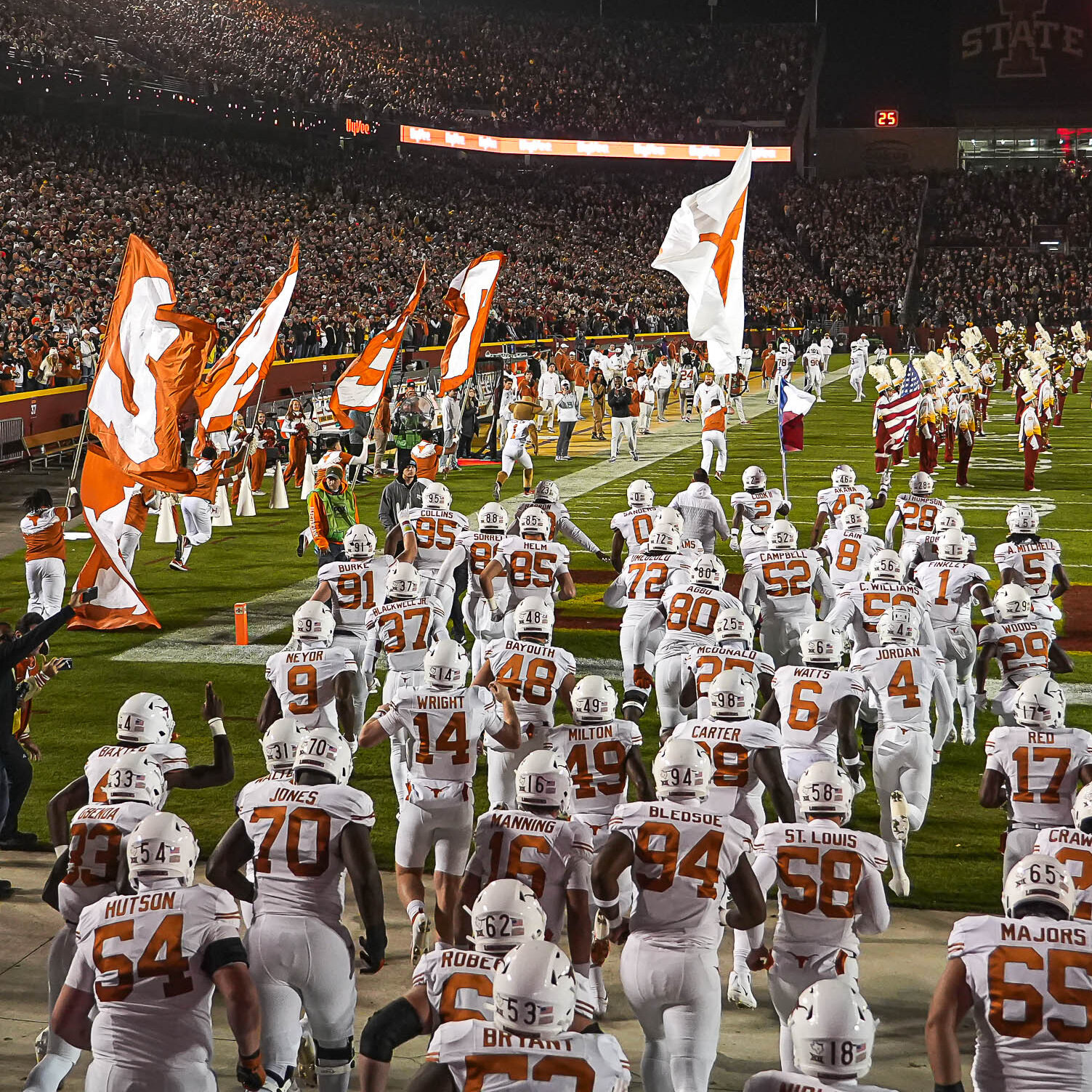
Division I football is dominated by five power conferences: SEC, Big Ten, ACC, Pac-12, and the Big 12 (SOURCE: ESPN College Football Index). These collectives shape the playoff races, recruiting battles, and TV deals that power the money engine of football NCAA teams.
For example, the SEC alone earned a staggering $833 million in revenue in 2022 (SOURCE: USA Today Finance Report). Programs like the Alabama Crimson Tide and Georgia Bulldogs have transformed themselves into modern dynasties, consistently drawing top recruits and national headlines.
But don’t overlook rising stars in smaller conferences. Teams like Boise State (Mountain West) and Cincinnati (formerly American Athletic Conference) have shocked the system with giant-slaying upsets and memorable Cinderella seasons.
# Key Success Factors for Football NCAA Teams
Here’s a secret from my own research—performance on the field is just half the story. Football NCAA teams succeed because of:
1. Strategic recruiting and talent management
2. Elite coaching staffs with innovative tactics
3. University and alumni support (including massive donations)
4. Cutting-edge facilities and tech adoption
5. School traditions and fan engagement
According to a 2023 NCAA study, teams that finished in the top 10 for football operations spending were also consistently ranked among the top 20 on the field. That’s no coincidence! (SOURCE: NCAA 2023 College Athletics Report)
From my experience working with university programs, I’ve seen how much off-field efforts—from nutrition to video analysis—help elevate on-field achievements.
# Step-by-Step Guide: How to Follow Football NCAA Teams Like a Pro
Ready to get more out of your college football passion? Here’s how you can follow football NCAA teams like an expert:
1. SELECT YOUR TEAMS: Start with your local university or alma mater, but don’t be afraid to branch out and follow a Power Five team for a taste of the big-time.
2. TRACK SCHEDULES: Use official conference websites or apps for up-to-date schedules and live stats.
3. STUDY ROSTERS: Memorize key players and coaching changes using school athletic sites or databases.
4. ENJOY GAME DAY: Attend games in person if possible, or stream live through major networks; immerse yourself in the tailgate and social atmosphere.
5. FOLLOW RECRUITING AND NEWS: Platforms like 247Sports and ESPN provide recruiting insights and breaking news that can change your outlook mid-season.
# Common Mistakes About Football NCAA Teams
**WARNING: MANY FANS FALL FOR THESE COMMON NCAA TEAM MYTHS!**
– CONFUSING FBS AND FCS LEVELS: Many assume all Division I teams face the same level of competition, but FBS and FCS play very different styles and schedules.
– UNDERESTIMATING SMALLER CONFERENCES: While powerhouses get much attention, upsets can happen anytime—just look at 2016 when Western Michigan finished undefeated.
– IGNORING RECRUITING CYCLES: Some fans believe great seasons happen by magic, but recruiting and player development are at the core.
– THINKING RIVALRIES ARE JUST FOR SHOW: Historic rivalries like Michigan vs. Ohio State influence the entire college football landscape—both on and off the field.
# Checklist: Football NCAA Teams Success Guide
— Identify the division and conference of your chosen football NCAA teams.
— Research their recent performance stats and recruiting results.
— Follow official social media channels for real-time updates.
— Track coaching staff changes and their tactical styles.
— Compare facilities investments that impact team development.
— Watch out for injury reports and eligibility news.
— Engage with fan communities for insights and local color.
— Attend or stream at least one game—get the full experience.
— Review end-of-season rankings and postseason plans.
— Repeat for a deeper, richer NCAA football journey.
# Conclusion
Now you have what it takes to dive deep into the world of football NCAA teams! Whether you’re hunting for the next underdog, tracking powerhouse programs, or gearing up for game day, use these insights to become the fan everyone turns to for advice. And remember—the heart and soul of college football is in the stories, rivalries, and dreams behind every helmet. Let’s keep the passion for football NCAA teams burning bright, season after season.