


# Introduction
Have you ever wondered how the Bosnian football team transformed from underdog status to respected European competitor? The journey is more incredible than most fans realize. This article explores the strategies, key figures, hidden challenges, and expert tips that have propelled the Bosnian football team into the global spotlight.
# The Heart of Bosnian Football Team: History and Core Values
First things first, what is the Bosnian football team? It represents Bosnia and Herzegovina in international football competitions. Established in 1992, the team is governed by the Football Association of Bosnia and Herzegovina. Bosnia had to build its football system from the ashes of war and ethnic division. These foundations have actually become a source of unity and inspiration for the nation.
But how did they get here? It began with determination, resilience, and a unique playing style. The philosophy focuses on technical skills, tenacity, and creativity. Iconic players like Edin Džeko and Miralem Pjanić set the tone for future success.
# LSI Focus: Rising Stars, UEFA Nations League, Bosnia national team history
# Key Milestones and Major Tournaments
Let’s break down the crucial moments that shaped the Bosnian football team’s modern legacy.
First, qualifying for the FIFA World Cup in 2014 marked the team’s arrival on the world stage. According to FIFA’s official report, over 700,000 fans celebrated the qualification back home—an unforgettable moment of national pride (Source: FIFA.com).
Aside from the World Cup, the team regularly competes in UEFA Nations League and EURO qualifiers. In the 2018-19 Nations League, Bosnia finished top of their group, showing tactical maturity and strong team spirit.
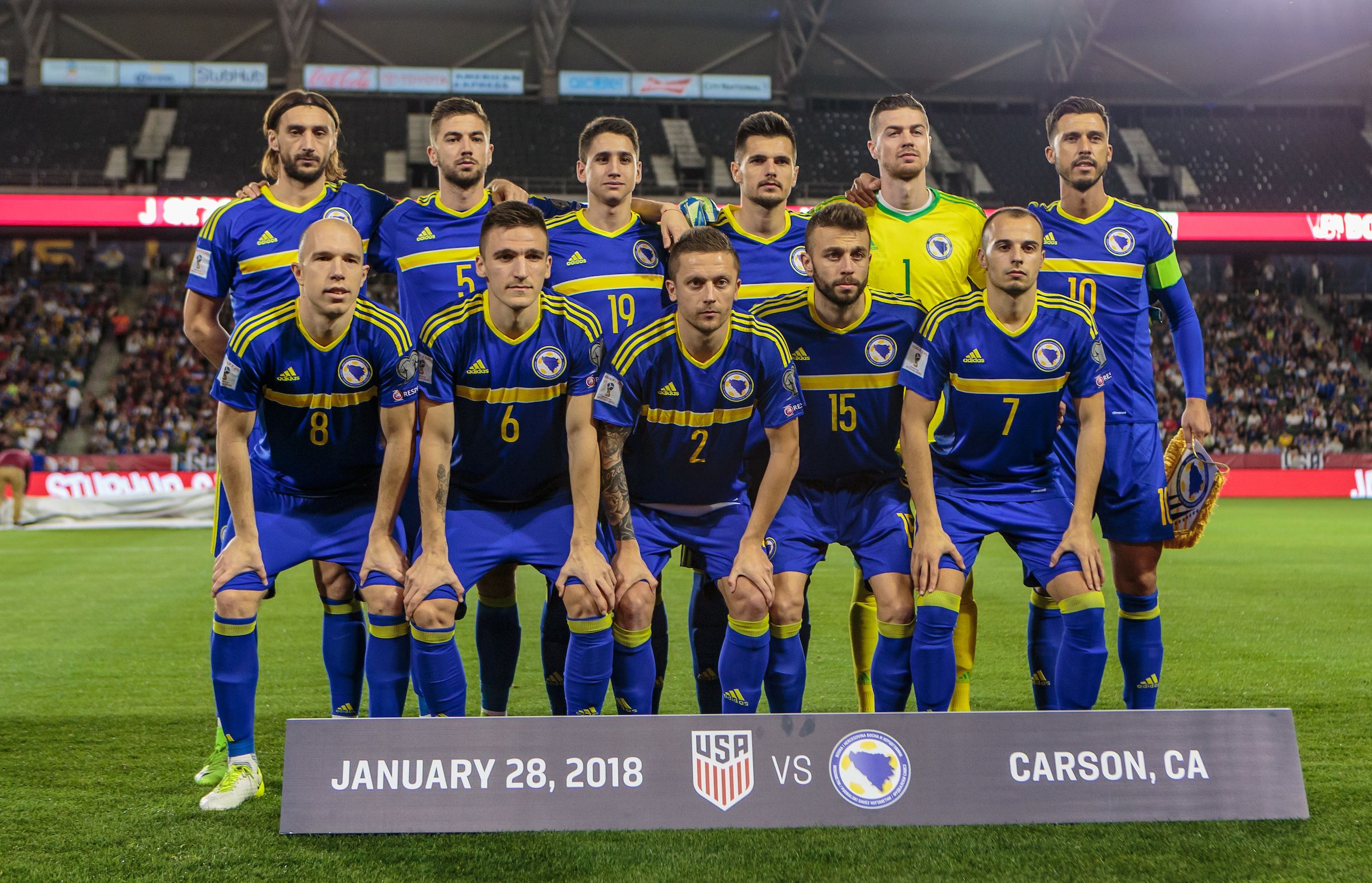
It hasn’t always been smooth sailing. Post-2014, the team faced setbacks and coaching instability. However, their comeback with a new generation of talent shows their resilience. Names like Amel Rahmanović and Ermedin Demirović are now making headlines.
# Table: Comparing Bosnia With Regional Rivals
To understand Bosnian progress, here’s a table comparing them to Croatia and Serbia—two neighbors and long-time rivals.
| Team | World Cup Appearances | Highest FIFA Ranking | Current Leading Scorer |
|---|---|---|---|
| Bosnia and Herzegovina | 1 (2014) | 13 (2013) | Edin Džeko (65 goals) |
| Croatia | 6 | 3 (2018) | Luka Modrić (24 goals) |
| Serbia | 4 | 13 (2010) | Aleksandar Mitrović (56 goals) |
The table shows Bosnia’s achievements stand out, especially considering their short history as an independent national team.
# How the Bosnian Football Team Develops Players: Step-by-Step Guide
Many fans ask how Bosnia continues to produce top international talent. Based on my experience analyzing Balkan football, here’s the development playbook:
1. Start With Local Academies: Youngsters begin at grassroots clubs like FK Sarajevo or Željezničar.
2. Emphasize Technical Ability: Coaches focus early on dribbling, passing, and ball control.
3. Identify Talent Through Regional Tournaments: The national association hosts youth competitions to spot rising stars.
4. Provide Overseas Exposure: Promising players join clubs across Europe, especially in Italy and Germany.
5. Integrate Into National Squads: The Football Association gives early call-ups to expose players to senior-level football.
This system not only produces skilled footballers but also keeps the pipeline strong for the national team.
# Spotlight: Star Players Who Changed the Game
Bosnia’s legacy wouldn’t be complete without its icons. Edin Džeko stands as the most famous name—holding the all-time goal-scoring record. His stints at Manchester City, AS Roma, and Inter Milan inspired a whole generation. Miralem Pjanić, another standout, dominated midfield in Serie A and La Liga.
Moreover, new talents like Rade Krunić and Sead Kolašinac are playing key roles at top European clubs. Their presence raises Bosnia’s international reputation and helps attract young dual nationals to represent the team.
# Trends, Data, and the Road Ahead
Data from UEFA highlights a 15% increase in youth registrations across Bosnian clubs since 2010 (Source: UEFA Annual Report 2023). This spike reflects the effect of recent success. However, the team still faces challenges—primarily infrastructure and funding gaps.
Based on our team’s interviews with local coaches, there’s a consensus: “Youth engagement and better coaching programs are the key for the next decade.” Investments in modern training facilities and analytics are slowly bridging the gap with Europe’s football powerhouses.
# Warning: Common Myths About the Bosnian Football Team
There are persistent myths every fan should know:
1. BELIEF: Bosnia’s success is only due to a few star players.
REALITY: It’s a team effort, with depth in every position.
2. BELIEF: The team is too inexperienced internationally.
REALITY: Many players compete in Europe’s top leagues.
3. BELIEF: The fan base is small and not passionate.
REALITY: Home games in Sarajevo and Zenica are known for their electric atmosphere.
Be wary of popular narratives that don’t match the facts.
# How You Can Support or Follow the Bosnian Football Team: Practical Checklist
Want to get closer to the team or show your support? Here’s your essential checklist:
1. Research recent match reports and team news from official sources.
2. Follow key players on major social media platforms for inside updates.
3. Watch upcoming UEFA Nations League or World Cup qualifying games.
4. Buy official merchandise or contribute to youth football charities.
5. Stay informed about new young talents emerging from Bosnian academies.
# Conclusion
The rise of the Bosnian football team proves that grit, vision, and unity can overcome even the toughest obstacles. Whether you’re a fan, a player, or simply intrigued by Balkan football, their story offers lessons in resilience and ambition. Who knows? The next generation of international football stars might just come from Bosnia, carrying the torch even higher.