


# Introduction to the National Football League Schedule
Are you constantly scrambling to find the latest national football league schedule? If you are a dedicated football fan or just starting to follow the NFL, having a clear understanding of how the schedule works is crucial. Many people search for the national football league schedule hoping for reliable, up-to-date information to plan their viewing parties, fantasy drafts, or even in-person game trips.
In this article, we will break down everything you need to know about the national football league schedule, offer actionable strategies to maximize your season experience, and expose some surprisingly common misconceptions.
# What is the National Football League Schedule?
The national football league schedule is the master plan dictating game dates, team matchups, and broadcasting details for every NFL season. Each year, 32 teams compete over an 18-week regular season, followed by a dramatic playoff run. The process behind schedule creation is intensely data-driven, balancing complex variables such as team performance, stadium availability, and even international matches.
According to the NFL, the schedule is generated by a custom software that analyzes over 10,000 possible scenarios before finalizing the calendar (Source: [NFL Operations]). The result: a highly anticipated announcement each spring that sets the stage for rivalries, primetime classics, and playoff races.
# Key Components and Structure of the Schedule
Let’s dig deeper into what the national football league schedule actually contains. At its core, each team plays 17 games—eight at home, nine away (or vice versa), switching yearly. There are five types of matchups to consider:
– Divisional games (6 per team)
– Inter-Conference games (4 per team)

– Intra-Conference games (4 per team)
– Rotating opponents (1 per team)
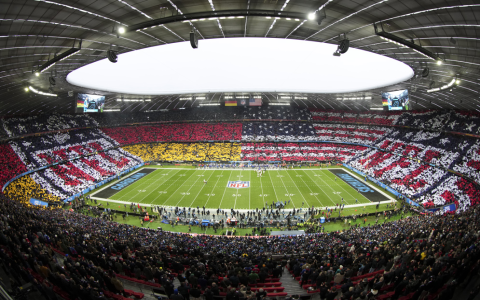
– International games (London, Germany, Mexico—variable annually)
Television networks jockey for popular slots such as Sunday Night Football or Monday Night Football. Other events, like Thursday Night Football and the Thanksgiving Day games, play a huge role in shaping the schedule too.
Here is a quick side-by-side to tell primetime from regular matchups:
| Feature | Primetime Games | Regular Games |
|---|---|---|
| Air Time | Evening/Night (Thu, Sun, Mon) | Sunday afternoon |
| National Broadcast | Yes | Yes/Regional |
| Higher Viewership | Typically Yes | Moderate |
| Flex Scheduling | Often Used | No |
# How is the National Football League Schedule Created? (Step-by-Step Guide)
Many fans wonder: how does the NFL decide who plays when and where? Based on our team’s research, here’s a simplified five-step look at the process:
STEP 1: Confirm Key Dates
The league first establishes the season start, playoff, and Super Bowl dates—often finalized up to a year in advance.
STEP 2: Input Team Restrictions
Teams report stadium conflicts (concerts, local events, etc.) so the schedule team avoids these clashes.
STEP 3: Assign Division and Conference Matchups
Using a preset formula, each team receives its division, conference, and out-of-conference opponents for balance and fairness.
STEP 4: Run Computer Simulations
The NFL operations team uses custom software to run thousands of schedule permutations, weighing factors like travel, rest days, and marquee matchups.
STEP 5: Finalize and Announce
After internal review (including TV networks and clubs), the final national football league schedule gets released—usually in April or May.
# Real-World Data: Why the Schedule Matters
So, how does this impact fans and teams? According to a 2023 Nielsen report, Sunday Night Football ranked as the most-watched regular TV program for 12 years straight (Source: [Nielsen]). Scheduling choices influence everything from advertising dollars to team travel fatigue. In fact, previous analyses have shown that teams with less travel tend to perform slightly better during the regular season. The schedule can turn a strong team into a playoff contender—or stretch a potential winner too thin.
# Strategies to Make the Most of the National Football League Schedule
As a fan, simply knowing the schedule is not enough. Here are proven ways to improve your NFL season experience:
– Plan fantasy drafts and lineups around bye weeks and primetime games.
– Use apps and official NFL alerts to avoid missing game time changes due to flexible scheduling.
– Monitor international matchups for unique viewing times and stadium experiences.
Based on my experience, setting calendar reminders and syncing the schedule with my phone’s calendar has saved me from missing crucial rivalry games.
# Common Mistakes and Pitfalls to Avoid
Attention: Many fans fall into these traps when following the national football league schedule—
– Overlooking last-minute flex scheduling changes (especially Weeks 11-18).
– Not updating your calendar when games are rescheduled due to weather, COVID, or special events.
– Forgetting that international games may air early in the morning U.S. time.
– Using outdated third-party sources—always check the official NFL outlets.
Staying updated and flexible is key.
# National Football League Schedule FAQs
Now, let’s clear up some persistent questions:
Q: WHEN IS THE SCHEDULE USUALLY RELEASED?
A: The national football league schedule is typically announced in mid-April or early May, ahead of team mini-camps.
Q: HOW ARE FLEX GAMES CHOSEN?
A: TV networks and the NFL coordinate to select matchups with playoff or headline potential, especially for Sunday nights from Week 11 onward.
Q: ARE THERE DOUBLEHEADERS?
A: Yes, especially during the early weeks and Thanksgiving.
# Conclusion and Quick-Action NFL Fan Checklist
Getting ahead of the national football league schedule takes more than a web search. By understanding its structure, staying flexible, and using reliable sources, you can have your most exciting NFL season yet.
Checklist for Optimizing Your NFL Schedule Experience
– Sync the official NFL schedule with your calendar app.
– Double-check primetime and international kick-off times.
– Set alerts for flex schedule updates in Weeks 11-18.
– Watch team announcements for weather or event-related changes.
– Join NFL social media channels for real-time updates and unique experiences.
– Review bye weeks for fantasy football planning.
– Bookmark the official NFL schedule page for reference.
With these strategies in place, you are set to dominate the national football league schedule like a true fan—or even an expert.