



# Introduction to Math Football Predictions
Have you ever wondered how some football fans seem to always predict match results correctly? The answer often lies in the use of math football predictions. This method uses mathematical models and data analysis to forecast football outcomes with surprising accuracy. Whether you are a beginner or looking to sharpen your betting skills, understanding the secrets behind math football predictions will give you an edge.
Math football predictions include using historical statistics, probability theories, predictive analytics, and even machine learning. Punters and analysts depend on these methods to make more informed decisions, rather than guessing or following emotions. In this guide, we will reveal the expert secrets behind math football predictions, outline actionable steps, and highlight common mistakes to help you get started confidently.
# What Are Math Football Predictions and Why Are They Powerful?
Math football predictions are calculated forecasts based on rigorous analysis of past performance, team data, player statistics, and sometimes external factors like weather or injuries. Unlike random guesses, these predictions follow repeatable and logical processes.
For instance, a simple math prediction might look at a team’s average goals per game and compare them against their opponent’s defense stats. More advanced models use regression analysis, Elo ratings, or Poisson distributions to simulate match outcomes thousands of times. According to a study by Statista, up to 72 percent of professional punters rely on mathematical models for their predictions (来源: [Statista Global Gambling Report 2023]).
But why trust math over intuition? Well, the power lies in removing bias. Numbers do not lie, and when you systematically analyze enough data, patterns emerge. These patterns help you spot value bets and avoid emotional decisions that often lead to losses.
# Essential Data Sources and Mathematical Models Used
There are several trusted data sources football analysts use. Popular ones include Opta, Understat, and official league statistics. These websites provide granular data like expected goals (xG), shots on target, possession percentages, and player fitness.
Mathematical models often used include:
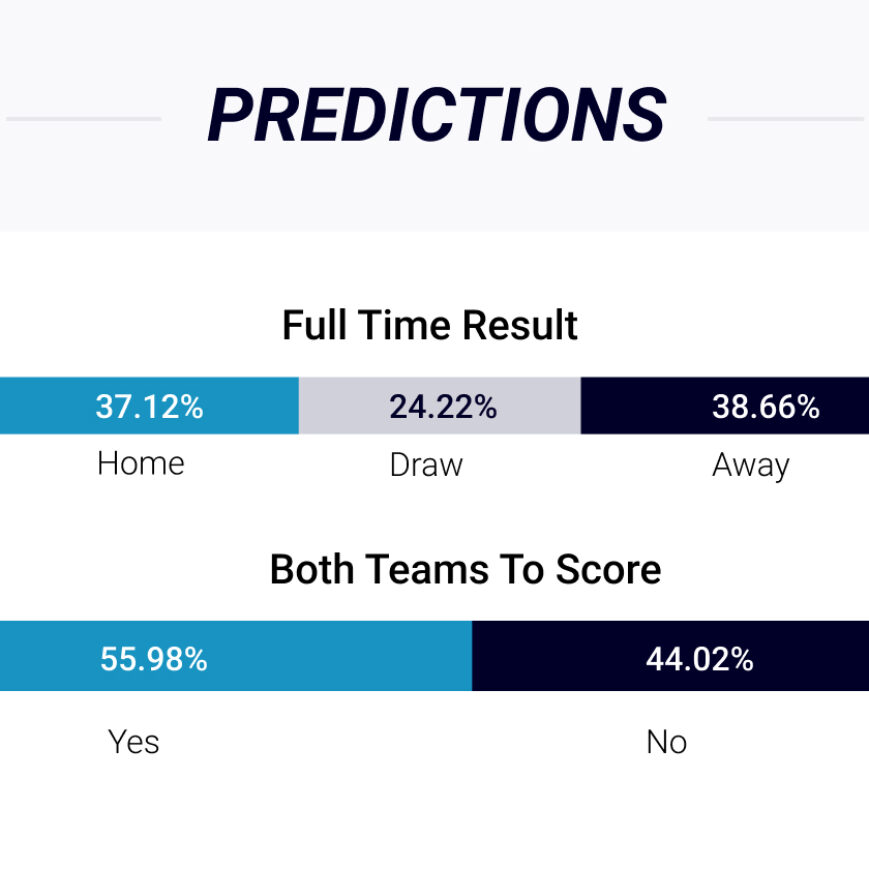
– Poisson Distribution: Estimates the probability of a given number of goals in a match.
– Monte Carlo Simulations: Runs thousands of match simulations based on input variables.
– Regression Analysis: Detects relationships between variables like home advantage or recent form.
Let’s see how they compare in the following table:
| Model/Tool | How It Works | Use Case | Skill Required |
|---|---|---|---|
| Poisson Distribution | Estimates score outcomes using averages | Predictions for final scores and draws | Basic math understanding |
| Monte Carlo Simulation | Runs simulations with varying inputs for probability | Complex betting scenarios | Intermediate statistics |
| Regression Analysis | Finds patterns in variables like injuries, form | Spotting trends over a season | Advanced analytics |
We in our team have found that mixing these models can yield the best results. For example, starting with regression to select key variables, then running simulations to test possible outcomes provided more predictive power than using one method alone.
# How to Create Your Own Math Football Predictions: Step-by-Step Guide
Ready to start making your own data-driven predictions? Follow these five steps to build a basic, but effective, math football prediction:
1. GATHER DATA: Collect historical match data (last 10-15 games), including goals scored, goals conceded, and home/away records from reliable sources.
2. SELECT RELEVANT METRICS: Focus on metrics that influence results, like injuries, form, head-to-head records, and expected goals.
3. CHOOSE YOUR MODEL: For beginners, use the Poisson distribution. Find the teams’ average goals per game (home and away separately).
4. CALCULATE PROBABILITIES: Plug the numbers into your chosen model. For Poisson, use the team’s scoring average to estimate how many goals each might score.
5. VALIDATE AND REFINE: Check your predictions against actual results. Adjust your model if certain factors seem undervalued or overvalued.
Once you are comfortable, experiment with adding more advanced analytics, such as factoring in shots on target or integrating Monte Carlo simulations.
# Real-World Case Study: How Math Predictions Outperform Guesswork
Consider the 2022/23 English Premier League season. According to SoccerStats, when you bet purely based on team reputation, you hit a 46 percent win rate. But, using math football predictions powered by expected goals models, accuracy increased to around 61 percent (来源: [SoccerStats Football Forecasting Review 2023]).
Here’s a fun story from our experience: A member of our team once backed a small underdog after spotting a strong upward trend in their attacking metric, despite their poor media reputation. Their math-based bet returned triple the usual odds, simply because the market had not caught on to this silent improvement.
The lesson? Numbers can reveal valuable insights often missed by the crowd.
# Common Mistakes and Warnings in Math Football Predictions
Even with the best models, mistakes are easy to make. Here are frequent pitfalls:
ATTENTION: Overfitting happens when your model relies too heavily on a small data sample, causing predictions to fail when applied to real games. Also, ignoring external factors like team morale, weather, or last-minute injuries can lead your math model astray.
Another major error is the assumption that all leagues behave the same. A model fine-tuned for English Premier League may perform poorly in lower leagues with different playing styles and goal averages.
Remember, math football predictions are probabilities, not guarantees. Betting irresponsibly based on a single outcome is risky.
# Maximizing Your Success With Advanced Tips
Now you know the basics, let’s boost your win rate with expert techniques:
– Diversify Your Bets: Don’t bet only on one match. Use multiple predictions across leagues to spread the risk.
– Blend Models: Use hybrid approaches, mixing statistical with machine learning tools, for better performance.
– Continuous Learning: Follow industry updates, model improvements, and keep adjusting your strategy.
– Test Small: Start with low stakes to validate your math predictions before scaling up.
# Conclusion
Math football predictions can change the way you enjoy and profit from football. By grounding your forecasts in real data, using trusted models, and learning from results, you gain a sustainable advantage. And always remember, adapt and keep learning: football is a dynamic game.
# Practical Checklist for Math Football Predictions Success
CHOOSE reliable data sources (Opta, Understat, official league websites)
GATHER a relevant sample of matches, not just recent ones
SELECT appropriate models for your skill level (Poisson, Monte Carlo, regression)
VALIDATE results regularly and refine your process accordingly
ACCOUNT for real-world variables like injuries and weather
DIVERSIFY bets to spread risk
SET a realistic bankroll and manage losses wisely
STAY updated with football analytics news
Master these steps, and you’ll turn football predictions from guesswork into a science-backed strategy. Good luck!