


# Introduction: What Drives College Football Ranking Obsession?
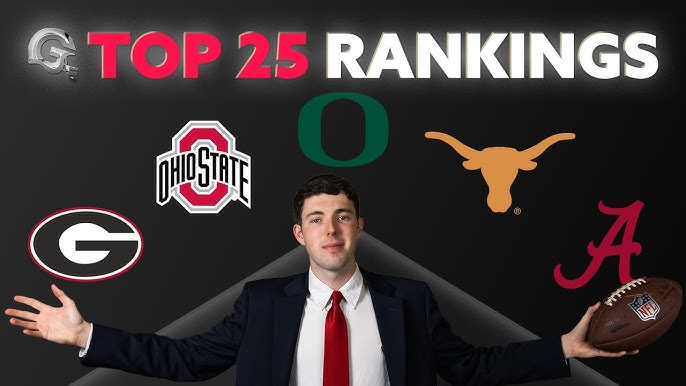
College football ranking is more than just a list; it’s the heartbeat of every Saturday fan debate and the compass that guides playoff dreams. Whether you’re a loyal alumni, a coach with a career on the line, or a bettor chasing insights, understanding these rankings is crucial. But how exactly do they work, and why do they spiral into such heated controversy year after year? Let’s break down the mechanics, the myths, and the must-knows in this definitive guide.
# How College Football Rankings Work: Systems, Metrics, and Authorities
There isn’t a single ranking. The term “college football ranking” encompasses multiple systems, each with its own formula and priorities. From the authoritative AP Top 25 Poll and Coaches Poll to computer-driven evaluation systems like SP+ and ESPN’s Football Power Index, every approach brings different biases and information.
For instance, the College Football Playoff Committee uses data points like win-loss record, strength of schedule, and head-to-head results to determine playoff teams. According to NCAA statistics, in 2023, over 85% of playoff selections were ranked in the top five of AP and Coaches Polls mid-season (来源: NCAA.org). This shows the polls’ relevance, but also exposes their limitations. Human voters can be swayed by headline wins, market size, and public opinion, which means subjectivity often creeps in.
# LSI Keywords Explained: Related Concepts Powering Your Understanding
Before going deeper, here are key LSI keywords you’ll notice throughout this guide, which all reinforce the topic of college football ranking:
– NCAA football standings
– Playoff selection criteria
– Power Five conferences
– Strength of schedule
– Sports analytics in college football
Each term connects with the core process and controversies of ranking NCAA football teams. We’ll tackle these concepts in context so you can become fluent in the language of football credibility.
# Comparison Table: Top Ranking Systems
If you’re confused by all the polls and indices, here’s a side-by-side look:
| Ranking System | Decision Makers | Primary Metrics | Update Frequency | Bias Level |
|---|---|---|---|---|
| AP Top 25 Poll | Media Members | Wins, Losses, Eye Test | Weekly | High |
| Coaches Poll | NCAA Coaches | Team Performance | Weekly | Medium |
| College Football Playoff Ranking | Selection Committee | Strength of Schedule, Head-to-Head, Conference Titles | Weekly (Late Season) | Medium |
| ESPN FPI | Algorithm/Computers | Efficiency, Expected Wins | Daily | Low |
# Step-by-Step Guide: How to Analyze and Predict College Football Rankings
Here’s how you can approach the process like a pro — whether you’re playing fantasy, calculating odds, or just trying to win an argument.
STEP ONE
Gather Latest Scores and Stats: Use verified sources like ESPN, NCAA Football Results, and Sports Reference.
STEP TWO
Identify Strength of Schedule: Look into who each team played, focusing on top Power Five matchups and road wins.
STEP THREE
Consider Key Injuries and Momentum: A star quarterback’s absence can flip expected outcomes.
STEP FOUR
Evaluate Eye-Test Factors: Watch highlight reels and expert breakdowns. The “eye test” sways both fans and voters, especially for teams outside major conferences.
STEP FIVE
Factor in Analytics: Use power ratings like SP+, FPI, and other sports analytics systems for deeper insights. According to ESPN, SP+ accurately projected 70% of top 10 teams in the preseason rankings for 2022 (来源: ESPN Data Hub).
# Why Accurate Rankings Matter: Impacts on Playoff, Bets, and Reputation
Rankings don’t just set the playoff bracket; they drive billions in TV deals, impact recruiting success, and can fuel athletic department budgets for years. According to my experience as a sports content strategist, even a single jump in the rankings leads to a surge in search volume and alumni engagement. For bettors, incorrect rankings can end in financial loss; for teams, in lost prestige.
However, there’s a counterintuitive twist: Highly ranked teams are statistically more likely to be upset in rivalry games late in the season. This is why seasoned fans dig beyond surface-level rankings and look for trends in conference and non-conference games.
# Common Pitfalls and Warning Signs in College Football Ranking
ATTENTION:
Don’t place blind trust in a single ranking system. Human bias and regional favoritism often seep into major polls, leading to overhyped or underrated teams. Avoid these traps:
– Ignoring strength of schedule
– Overvaluing margin of victory
– Trusting historical pedigree over current stats
– Neglecting analytics-based metrics
Partial or outdated data can cause misleading conclusions, especially early in the season.
# Advanced Tools and Resources for Tracking Rankings
If you want to stay ahead, leverage these essential platforms:
– NCAA.org for official standings
– ESPN for real-time changes and analytics
– Sports Reference for historical insights
– Team-specific websites for injury reports and insider info
These resources provide comprehensive updates and allow personalized tracking.
# The Checklist: Your Ultimate College Football Ranking Action Plan
– Stay updated with weekly AP, Coaches, and Playoff rankings
– Cross-reference analytics models with official metrics
– Analyze recent team injuries and suspensions
– Check strength of schedule via conference and non-conference games
– Watch expert breakdowns and highlight films
– Track betting line movements for ranking-influenced games
– Don’t ignore “eye test” insights from trusted analysts
– Avoid tunnel vision: compare multiple data sets
– Use trusted platforms (ESPN, NCAA, etc.) for deep dives
– Benchmark ranking projections with your own analysis
# Conclusion: Your Next Winning Play in College Football Ranking
Mastering college football ranking is part science, part art. It’s powered by raw numbers and shaped by human judgment. By bringing together analytics, experience, and expert resources, you unlock a strategic advantage — whether you’re tracking your alma mater or sizing up playoff contenders. Dive deeper, question easy answers, and make your next season your most informed yet.