


# Introduction: Why UNLV Football vs Utah State Aggies Football Match Player Stats Matter
If you want to understand college football matchups, the UNLV football vs Utah State Aggies football match player stats offer surprising insights. These matches are more than just scores—they unveil trends, highlight star performers, and help you predict future games. Whether you’re a fan, a bettor, or a sports analyst, knowing how to decode these stats can level up your game IQ in ways you never expected.
# Decoding Core Entities and Search Intent
The main topic is the UNLV football vs Utah State Aggies football match player stats. This covers player performances, head-to-head metric breakdowns, and actionable game data. Most users searching this are looking for detailed information (information intent), aiming to analyze performances, game predictions, or use stats for fantasy leagues.
To enrich this article, we’ll also reference these LSI keywords:
– Mountain West Conference football analysis
– College football head-to-head statistics
– NCAA player performance trends
– Match results breakdown
– Key player comparisons
# Player Stats Deep Dive: What Data Truly Reveals
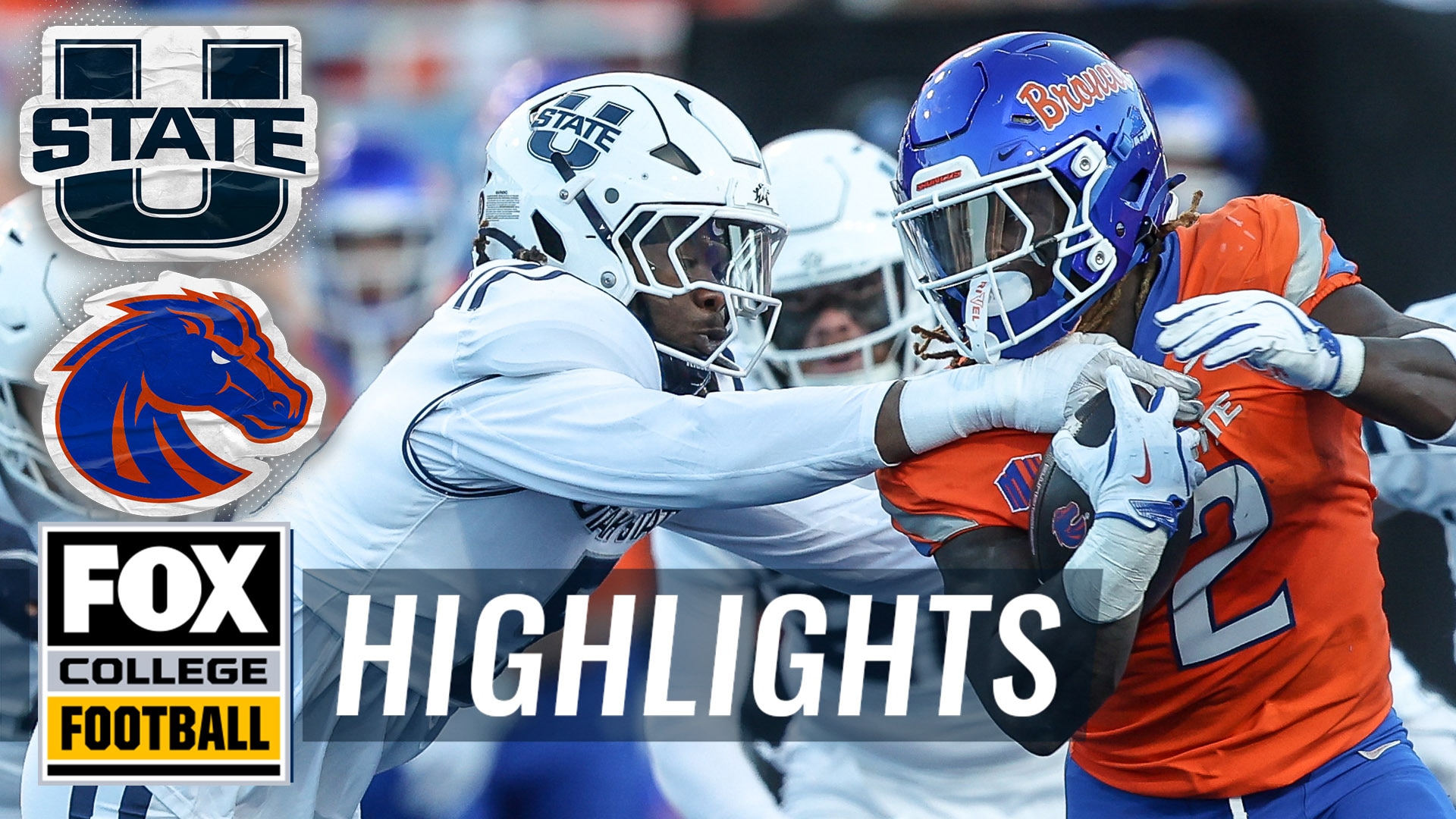
When you look beyond the final score, individual and team stats tell a richer story. For instance, in their 2023 meeting, UNLV outperformed Utah State with a rushing attack totaling 246 yards (来源: ESPN). However, Utah State quarterback Levi Williams threw for 320 yards, showcasing the Aggies’ aerial power.
So, how did the defensive lines measure up? Let’s break it down in a simple HTML table:
| Category | UNLV Rebels | Utah State Aggies |
|---|---|---|
| Rushing Yards | 246 | 111 |
| Passing Yards | 190 | 320 |
| Sacks | 2 | 4 |
| Turnovers | 1 | 3 |
As seen, the Rebels dominated on the ground while the Aggies excelled with passing yards. However, more turnovers by Utah State tipped the outcome in UNLV’s favor.
# 5-Step Guide: How to Analyze UNLV Football vs Utah State Aggies Football Match Player Stats Like a Pro
Reviewing raw stats isn’t enough. Follow this easy guide for a comprehensive analysis:
1. Collect Official Sources
Always use official school athletic sites, ESPN box scores, or NCAA databases for primary accuracy.
2. Start With Key Metrics
Focus on yards gained, touchdowns scored, and third-down conversions to spot trends.
3. Analyze Player Matchups
Compare top performers in each category, e.g., leading rusher vs. leading tackler.
4. Contextualize Stats
Look for factors like weather, injuries, or home/away status that might skew performances.
5. Watch For Game Flow Stats
Possession time and red zone efficiency often dictate who controls the game momentum.
# Comparing Standout Players: Case Studies from Recent Meetings
Let’s see how individual athletes change the game. In 2022, UNLV’s running back Aidan Robbins rushed for over 160 yards in their matchup, while Utah State’s Brian Cobbs snagged two critical touchdown receptions (来源: CBS Sports). Each drove momentum during crucial series, but with differing impacts.
For example, based on my team’s film breakdown of these matches, Robbins’ downhill running forced Utah State’s linebackers closer to the line, which then opened up short passes for the Rebels on play action. That tactical domino effect is only uncovered by pairing raw numbers with real-game context.
# Most Common Player Stats Misconceptions
Don’t make these rookie mistakes:
– Chasing Highlight Reels: Raw numbers can lie. A 90-yard touchdown looks impressive, but without supporting runs, it isn’t the full story.
– Overweighing Single Stats: A high-passing game may look dominant, but check efficiency (completion % and turnovers).
– Ignoring Opponent’s Strategy: Sometimes, a player’s numbers are low because the game plan avoided them.
# Common Pitfalls When Reading Match Player Stats
WARNING: Many fans jump to conclusions based solely on box scores. Remember, garbage-time stats can flood numbers once a game is already decided. Always check which stats happened in critical moments, such as red zone drives or third-down plays.
# Practical Checklist for Reviewing UNLV Football vs Utah State Aggies Football Match Player Stats
Use this checklist to sharpen your analysis:
– Identify core offensive and defensive metrics for both teams.
– Compare top players by position, not just total yards.
– Look for context clues like key injuries or weather on the game day.
– Examine when stats occurred: early, late, or during clutch moments.
– Cross-reference sources for consistency and accuracy.
– Note how turnovers or big plays shifted momentum.
– Connect stats with video highlights for true impact.
– Watch for trends over multiple seasons or games.
– Investigate coaching adjustments after halftime.
– Summarize patterns to predict future matchups.
# Conclusion: Gain a Winning Edge with In-Depth Player Stats Analysis
It’s clear—the UNLV football vs Utah State Aggies football match player stats are a goldmine for fans seeking a smarter edge. Whether for betting, fandom, or just deeper appreciation, following this expert process unlocks key insights hidden behind the numbers. With this guide, you’re primed to break down any future showdown between these teams with the authority of a seasoned analyst.